In this video you will learn how to scaffold the CRUD/Controller/DbContext using MvcScaffolding package developed by Scott Hanselman and Steve Sanderson.
In this post you will learn how to use Mustache.js JavaScript library in MVC for client side templating. I will take you through few easy steps to setup it and working.
In this post you will learn how to create or enable client side validation on the custom data annotations. If you go through my last blog, you will learn how to create custom data annotations to enable server side validation, I also recorded a video for this and uploaded on YouTube . This blog will take you further, so go and read or watch video, if you missed.
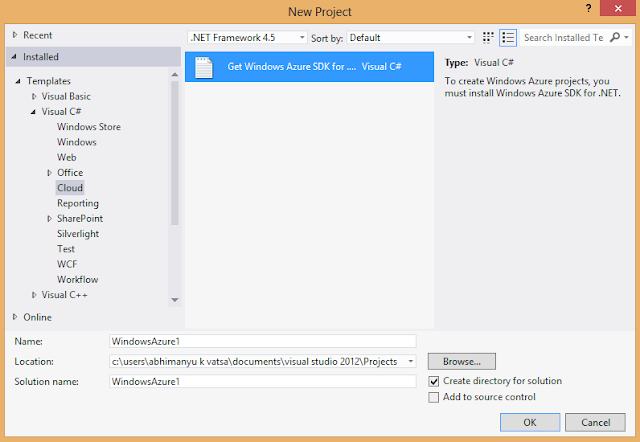
In this post you will learn following things: i) Introduction to BLOB Storage ii) Installing the Azure SDK iii) Creating MVC Application (Web Role) to upload BLOBs (for example, images) and delete BLOBs iv) Publishing to Windows Azure (Storage and Web Role)
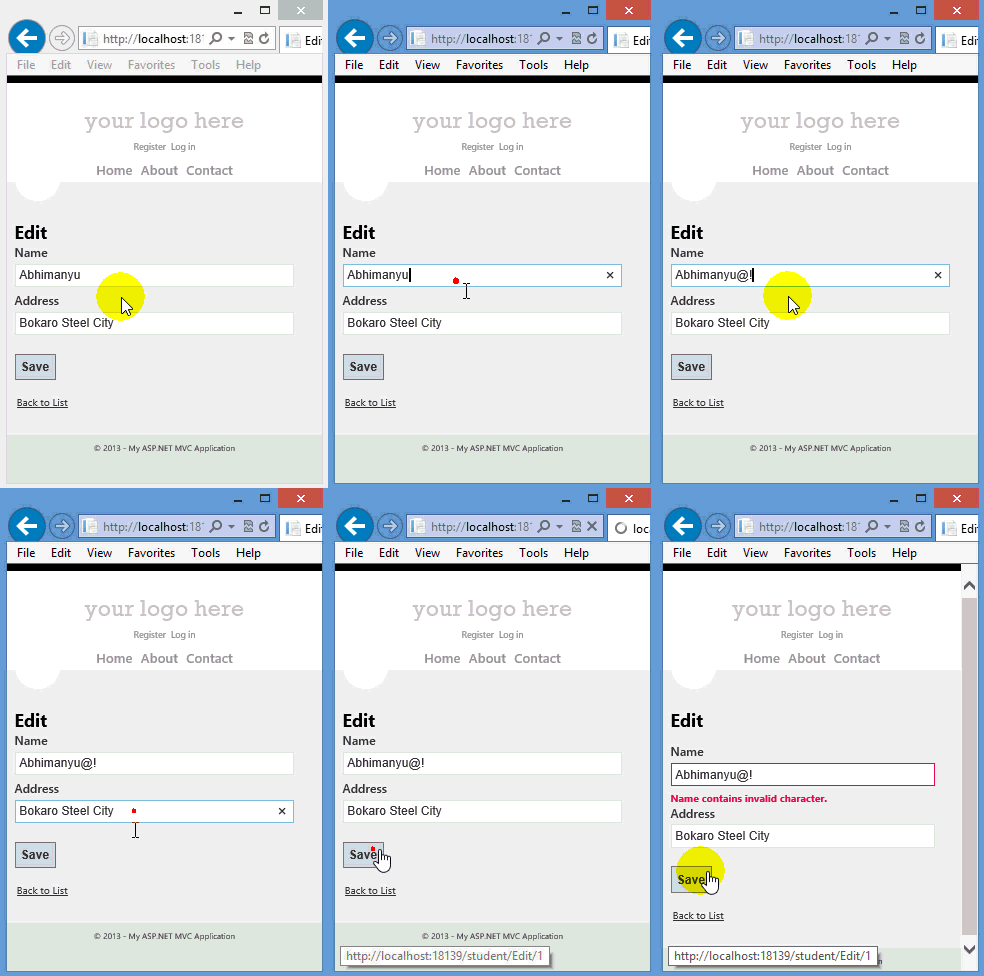
In this video will learn how to create custom data annotation in MVC. MVC framework has great extensibility feature and because of this we can create our own customized data annotation attributes.
In this video you will learn how to globalize and localize the model validation message in MVC Applications. At the end, you will also learn how to display the localized message (greeting) on the web page.
Error: this template attempted to load component assembly 'NuGet.VisualStudio.Interop, Version=*, Culture=neutral, PublicKeyToken=*'. For more information on this problem and how to enable this template, please see documentation on Customizing Project Templates.
In this blog post I am going to cover some really interesting stuff which is very useful today in web application developments. You will learn how to make jQuery Ajax GET and POST calls to controller methods.
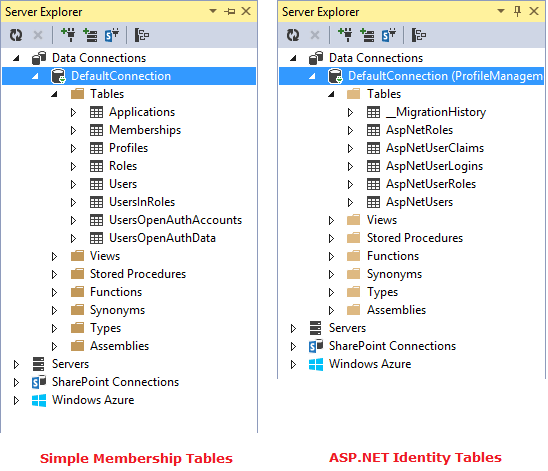
Note: You should read this post instead, I found below walkthrough will not work on ASP.NET Identity 2. I will re-work on this post soon. In this post you will learn how to customize User’s Profile and add some more fields like FirstName, LastName, EmailID etc with ASP.NET Identity System. In my last post I listed some of the great new features introduced with Identity system .